

Understanding Your Brakes:
Key Components and Their Maintenance
While brakes might seem complex, they’re actually relatively straightforward—and crucial to remember. A little knowledge about how they work can go a long way in ensuring your drives are not just safe but also smooth. Here are some quick facts about the main parts of your braking system and how to keep them in check:
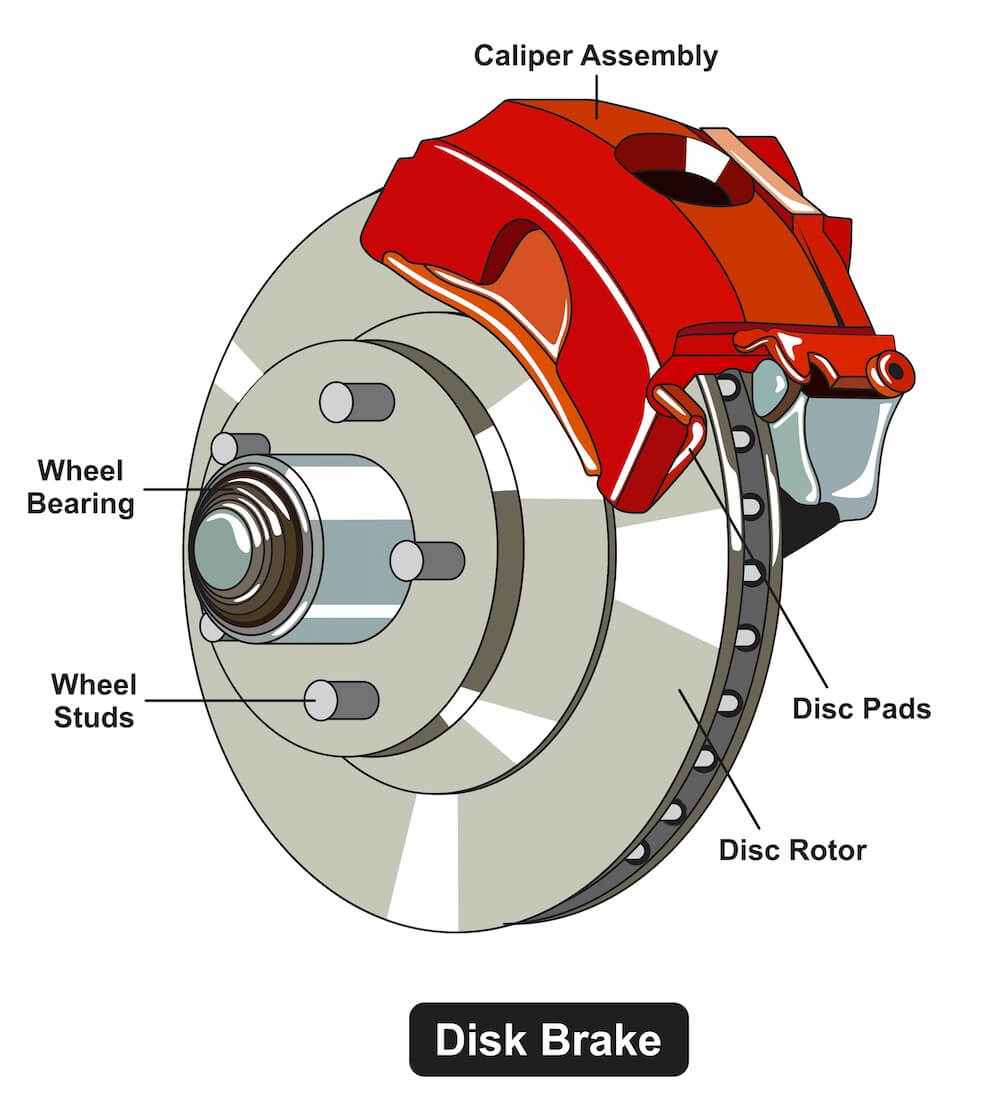
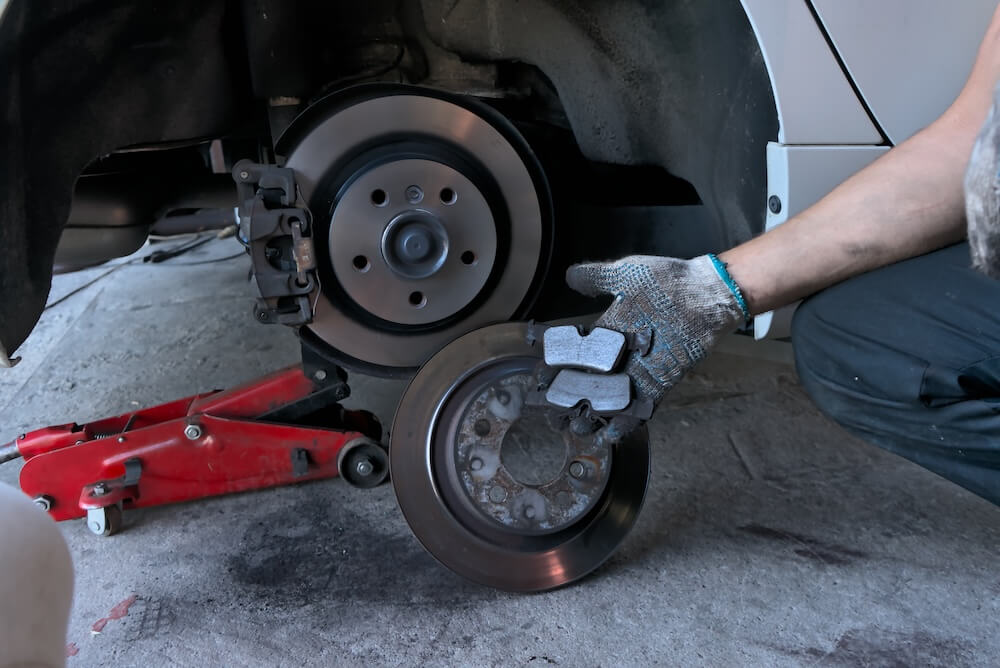
Brake Pads: Brake pads are the components that apply pressure to the brake rotors to slow down your car. They naturally wear out over time due to friction, so keeping an eye on their condition is essential. Regularly checking and replacing your brake pads as needed will help maintain your car’s braking efficiency. At Grease Pro, we assess your brake pads and suggest changes only when necessary, ensuring your brakes always perform at their best.
Brake Rotors: The rotors are the discs that the brake pads press against to stop your vehicle. They can wear down or warp from the heat generated by braking. Regular inspections are key to catching any issues early and keeping your brakes responsive. Our experts at Grease Pro are here to check your rotors and take care of any repairs or replacements to keep your braking system reliable.
Brake Lines: Brake lines carry the brake fluid that activates the entire braking system. Any damage or leaks in these lines can compromise your car’s ability to brake. That’s why it’s crucial to ensure they’re always in top condition. At Grease Pro, we meticulously inspect your brake lines and fix any problems, helping you drive with confidence knowing your brakes are in optimal shape.
Brake Fluid: Brake fluid transfers force from your foot on the brake pedal to the brake system itself—but it doesn’t last forever. Exposure to heat and moisture can break it down over time, which is why periodic brake fluid flushes are recommended to maintain safe, responsive braking. If your fluid looks dirty or your brake pedal feels off, our team can check it out and perform a flush & fill if needed.
Signs Your Brakes Need Attention
Noticing some unusual behavior when you hit the brakes? Here are a few common signs that your brakes might be due for a checkup or repair:
- Squealing Noises: If you hear a high-pitched squeal when you brake, it’s often the first hint that your brake pads are wearing thin.
- Grinding Sounds: A grinding sound from your brakes is usually more serious, indicating that the pads might be completely worn away, and the metal parts are rubbing directly on the rotors.
- Reduced Braking Performance: If your car takes longer to stop than usual or the brake pedal sinks closer to the floor, it’s a clear sign that something’s not right in your braking system.
- Vibration or Pulsation: If you feel a vibration or pulsating sensation through the brake pedal or steering wheel when you apply the brakes, it could be a sign of warped rotors.
- Pulling to One Side: If your vehicle pulls to one side when braking, it might suggest an issue with the brake calipers or uneven brake pad wear.
- Bad Odors: A burning smell during or after braking can indicate overheated brakes or brake pads that are too worn, which could lead to brake failure if not addressed.
- Brake Warning Light: The appearance of a brake warning light on your dashboard is a direct signal from your vehicle that your braking system needs immediate attention.
These symptoms can vary in severity, but they all suggest that a checkup could be beneficial. Regular maintenance not only helps avoid costly repairs but also keeps your drives smooth and safe. If you’re experiencing any of these issues or just want peace of mind about your brakes, it’s a good idea to have them inspected and serviced as needed.
Brake Lines: Brake lines carry the brake fluid that activates the entire braking system. Any damage or leaks in these lines can compromise your car’s ability to brake. That’s why it’s crucial to ensure they’re always in top condition. At Grease Pro, we meticulously inspect your brake lines and fix any problems, helping you drive with confidence knowing your brakes are in optimal shape.